AI Identity Authorization for Studios
Prove every frame
was authorized.
Studios already run world-class pipelines. TrustMark adds the identity authorization layer — so every AI use of a human likeness is documented, auditable, and revocable.
License tokens. Render receipts. Dual-layer watermarks. Guild-ready compliance. Everything a production needs to use AI responsibly — and prove it.
Backed by the AI Trust Foundation — a global initiative connecting governments, studios, and guilds across the U.S., Europe, Japan, and the Middle East.
Provenance
Every AI-generated frame tied to an authorized identity record. Studios can prove what was real and what was permitted.
Authorization
Machine-readable license tokens that translate guild contract clauses into verifiable, auditable permissions.
Compliance
Render receipts, watermarked outputs, and audit exports — everything a production needs for guild-ready compliance.
The mark that tells audiences, guilds, and regulators: this production authorized every identity it used.
The Identity Layer
Studios protect content brilliantly.
Now there's a way to protect identity too.
DRM protects playback. Forensic watermarks trace leaks. Studio security operations are world-class. TrustMark adds the layer that's been missing: a shared record of who authorized the AI use of a human identity.
Scenario
The Stranger
An outside party trains on publicly available footage and redeploys talent likenesses — with no relationship to the studio that hired them. Your contracts cover your pipeline. This happens outside it.
Scenario
The Ghost
A production uses AI to replicate a performer's voice, timing, or expression — and the authorization is real, but there's no render receipt, no audit trail, and no way to prove it to a guild or regulator.
Scenario
The Successor
Ownership changes hands. The archive of identity data remains. New management inherits talent assets — but the chain of authorization that justified them didn't transfer.
Why Studios Need More
Copyright and trademark are reactive.
TrustMark is proactive.
Studios can't wait for lawsuits. They need infrastructure that establishes the authorization record before production begins — not legal remedies after the fact.
Copyright
LawStudios can sue once harm has been done. But AI has already learned the identity by then.
Trademark
LawProtects logos and names in commerce. Says nothing about a performer's face, voice, or motion.
TrustMark
InfrastructureEstablishes a verifiable authorization record before AI ever touches an identity. Machine-readable. Revocable. Real-time.
The Bigger Picture
Your studio already protects the film.
TrustMark helps you protect the people in it.
AI doesn't just copy a face — it learns how someone performs. Voice, timing, emotional texture, movement patterns. Guild contracts now require machine-readable authorization for every one of these dimensions.
TrustMark is the infrastructure layer that makes this straightforward — giving studios, talent, and guilds a shared record of what was authorized, by whom, and for how long: verifiable, auditable, and revocable.
What Studios Register
Four constructs.
One shared registry.
Studios, guilds, and talent register the creative assets AI systems need authorization to use — from a face to a full performance.
Cadence, tone, rhythm, and behavioral signature. Studios register the invisible patterns that make talent recognizable — so AI pipelines can't use them without a license token.
Studios, talent, agents
Timing, pauses, intensity, vulnerability — the emotional texture of a real performance. Registered once, licensed per-project, with per-frame render receipts.
Studios, guilds, VFX

The living identity of a role — how it behaves, evolves, and inhabits a story world. Studios register characters as IP so derivative AI use requires explicit authorization.
Studios, IP owners, writers
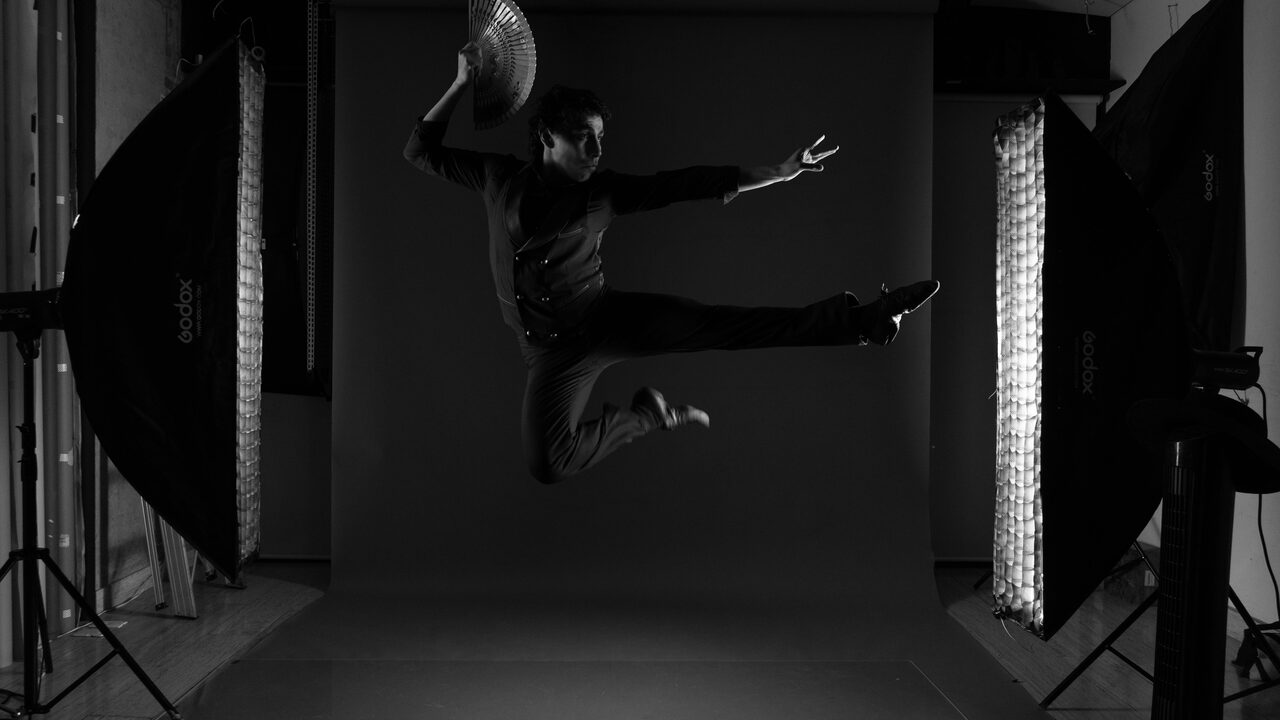
Pixel-level movement fingerprint — the unique way a body moves through space. Captured in studio, registered on-chain, licensed per-render.
VFX, motion capture, games
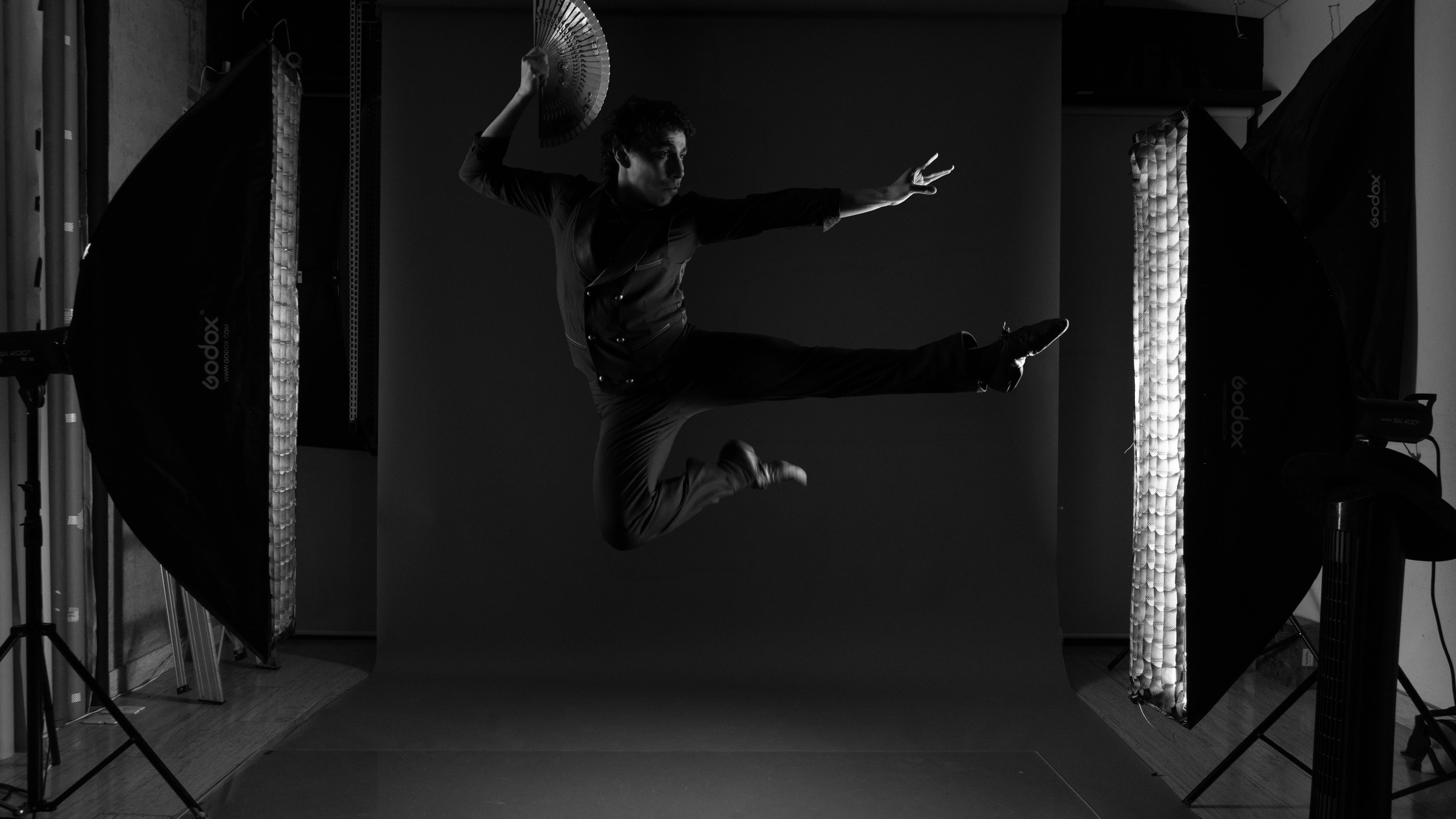
The movement is the identity —
not the character.
Human performing motion
24-joint skeleton extraction · Motion identity fingerprint
How It Works
Three steps.
One chain of authorization.
The protocol underneath is sophisticated. The workflow on top is simple enough for any studio, guild, or talent team to adopt on day one.
Register
Studios, agents, and performers register identity assets — face, voice, motion, performance — into TrustMark with clear ownership and guild-ready metadata.
Authorize
Issue project-scoped authorization tokens that specify exactly which identity assets, rights, territories, and durations are permitted for each AI use.
Audit
Every AI-rendered frame generates a receipt, and every output is watermarked — creating a clear chain of proof from authorization to final delivery.
The Protocol
Six layers. One complete system.
From authorization to watermarking to revocation — TrustMark covers every step in the AI render pipeline. Designed to fit into the workflows studios already run.
See the full flow
Every render is authorized
Signed license tokens — scoped to a specific project, rights, territory, and duration. Clear provenance from the start.
Every output is watermarked
Dual-layer invisible watermarks — pixel-level and audio — survive compression, re-encoding, and social media upload.
Every use is logged
Per-frame render receipts create an unbroken provenance chain. Studios, agents, and talent all see the same record.
Visibility is controlled
Two layers of authorization. Layer 1: whether an identity is visible to AI systems. Layer 2: per-project usage rights. Both revocable.
Revocation is instant
When authorization changes — a token is revoked, a license expires, terms are updated — every certified AI pipeline is notified immediately.
Scripts are covered too
ScriptModule extends the same authorization model to written works. Four independent rights — read, derivative, export, and training.

Timing
Why now.
Regulatory, legal, and industry momentum is building. The studios that move first will define the standard.
ByteDance generated Tom Cruise and Brad Pitt from public data.
Disney, Paramount, Warner Bros., Netflix, and Sony all sent cease-and-desist letters within days. The legal response was swift — but the industry recognized it needs a technical layer too.
Guild contracts now mandate machine-readable authorization.
DGA-AMPTP negotiations are underway. SAG-AFTRA and WGA contracts already require it. Studios and guilds are aligned on the goal — TrustMark provides the shared infrastructure to deliver it.
EU AI Act requires AI content to be machine-readably labeled.
€35M penalties for non-compliance. The regulation is live — TrustMark gives studios the compliance tooling to meet it.
4 US states already protect digital likeness by law.
Tennessee ELVIS Act, California AB 2655 & AB 1836, Illinois BIPA. Federal preemption is coming. Studios that adopt authorization infrastructure early will be ahead of the curve.
Who It's For
Built for studios.
Ready for everyone.
Studios are the first adopters. Agents, guilds, talent, and writers plug into the same infrastructure.



In Collaboration
The future of AI needs
a trusted backbone.
TrustMark is backed by the AI Trust Foundation — a global initiative focused on ensuring that artificial intelligence evolves with human values, not ahead of them.
Global Perspective
With active relationships across the United States, Europe, Japan, and the Middle East, the Foundation operates at a global level — connecting governments, futurists, and innovators to shape frameworks for responsible AI development.
Forward Strategy
The Foundation brings together leaders in law, technology, policy, and media to guide what comes next — not react to it after the fact — across governance, research, communications, and entertainment.
Human-Centered AI
As AI systems accelerate toward autonomy and superintelligence, the Foundation ensures that human creativity, authorship, and decision-making remain central to the future.
Why It Matters
Humanity must remain in the loop.
AI is already capable of reshaping creative industries — from editing films in minutes to generating performances on demand. The question is no longer what AI can do, but what it should do.
Technology can accelerate creativity — but it should never replace human authorship.
Visit the AI Trust FoundationLeadership
The people behind the standard.
Built at the intersection of storytelling, law, and technology — led by partners shaping the future of human identity in the age of AI.
Chris Sean Nolan
Filmmaker, Director, and Media Innovator
Leading the initiative's focus on entertainment and media, exploring how storytelling and human creativity evolve alongside intelligent systems.
Elizabeth Beller-Moeller
Co-Founder, AI Trust Foundation
A leading voice in AI ethics and governance, advancing global frameworks at the intersection of policy, trust, and emerging technology.
Oren Cohen
Chief Technology Officer
A European-based technologist specializing in advanced systems architecture and AI development, bringing a global technical perspective to the platform.
Gerry McNerney
Former U.S. Congressman, California
A key figure in the development of forward-looking AI policy, with deep involvement in shaping responsible innovation at both state and national levels.
The Identity Vault
Every talent your studio works with has a vault. One dashboard to manage identity modules, active license tokens, and a real-time audit trail across every project.

Marcus Rivera
KYA VerifiedIdentity Modules
Active Authorizations
Real-Time Audit Trail
Delegates
Blocks unauthorized AI use instantly. Valid licenses are always honored.

Get your studio certified.
Request studio access, explore guild partnership, or register your first identity construct.