Behaviour Transfer · Development direction
New appearance. A chosen way to perform.
A character’s design and a character’s behavior are different creative decisions. Performance transfer uses selected human performance as the reference for behavior, independently of the new character’s appearance.
Two separate creative decisions
Change the character.
Be deliberate about the performance.
Appearance
Who or what is on screen: the character design, costume, surface and visual world. These can be newly authored.
Performance
How the action unfolds: a walk’s cadence, the timing of a glance, a gesture’s finish or the pause in a line. These are qualities a creator may choose to reference.
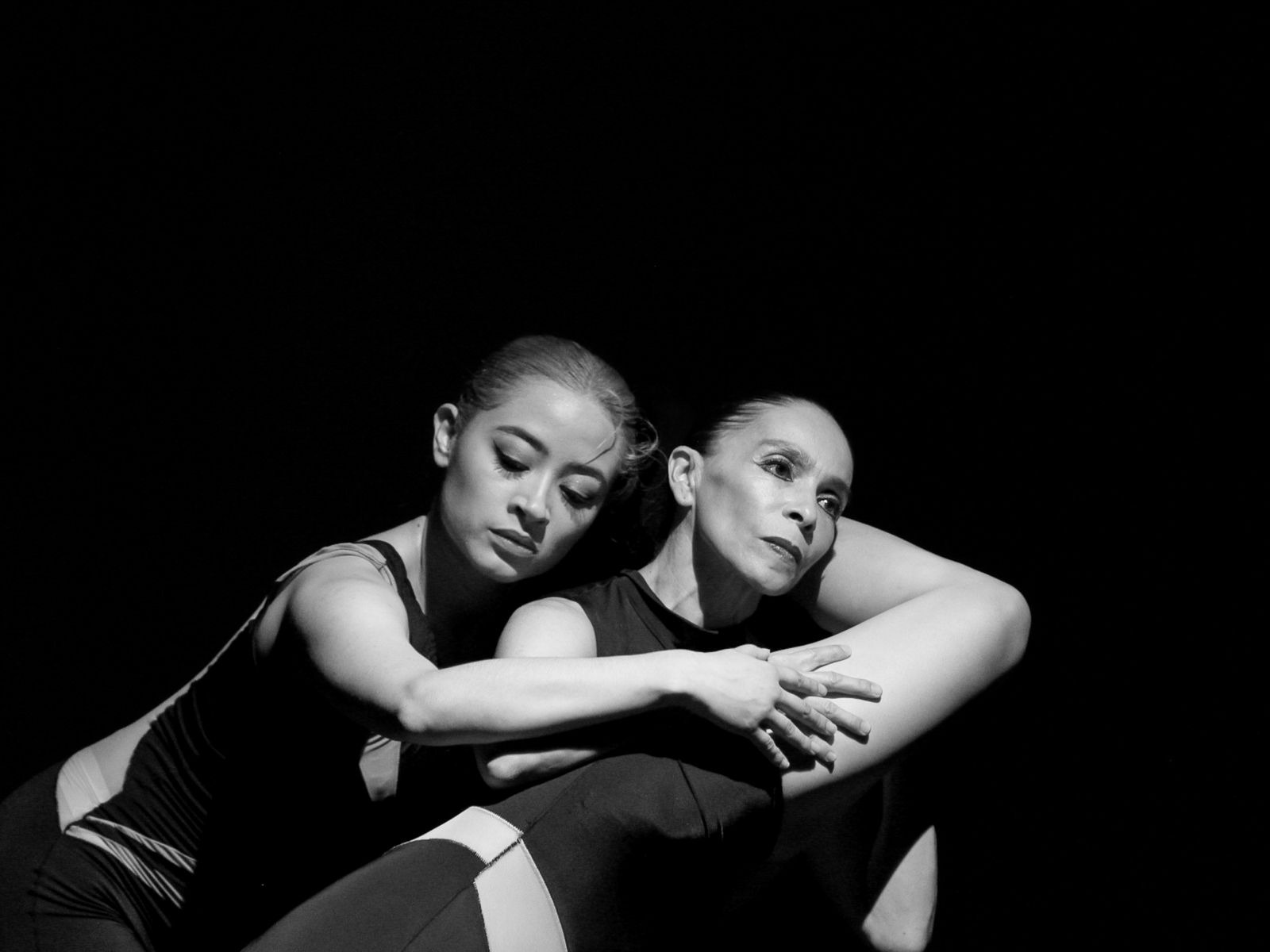
An illustrative creative brief
Keep the pause.
Reimagine the scene.
Imagine an authorized reference in which a performer stops, turns and then continues walking. A creator might select the pause and turn to guide an animated character in a different setting.
The new character, environment and surrounding action are authored choices. The selected timing is the reference. The result should make that distinction clear.
Selection is the beginning
Control what carries forward.
Choose the moment
Identify a bounded source sequence and the specific behavior worth using. A whole performance should not become an undifferentiated instruction.
Define the creative change
Decide which timing, motion or expression should guide the new scene — and what should change. Agree the target character, output format and review criteria.
Review source and output
Compare the authored result against the selected reference. Distinguish preserved detail, deliberate alteration and unsupported or failed behavior. A convincing image is not proof of a faithful performance.
A creative toolchain.
Not a universal switch.
Animation, character tools and generation workflows have different controls and constraints. A useful pilot starts with a named workflow and a specific creative goal, rather than a promise of compatibility with every engine or model.
Scope: controlled transfer and performance injection are in development; the scene above is hypothetical, not a demonstrated output. Each pilot defines permissions, source provenance, workflow limits and human review.
Follow the connected workflow →Which behavior should travel?
Tell us about the reference, the new character and the scene you want to create. A bounded question makes a more useful pilot.
Discuss a Project