Movement & Gait
A walk is more than a way to get there.
The hesitation before a step. The swing of an arm. The rhythm of a turn. Movement gives a character presence before a word is spoken.
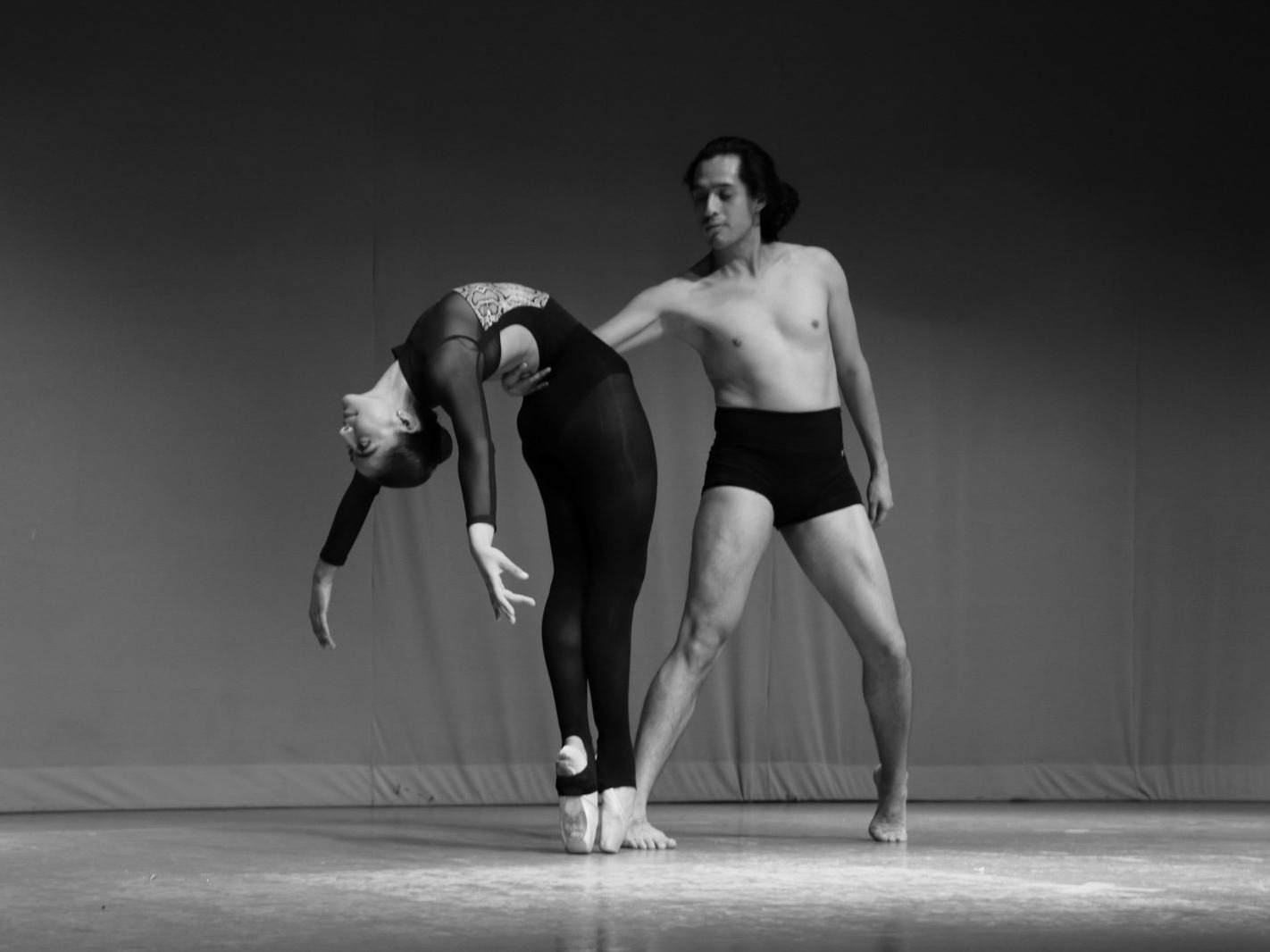
Read the movement
From a whole gesture to the details that shape it.
TrustMark IP uses source-linked observation to make visible movement easier to inspect. The creative question is not simply where a body is, but how the action unfolds.
Gait & rhythm
Watch the sequence of steps, the pacing of a walk and the relationship between arms and legs. A change in cadence can transform an entrance without changing the character’s appearance.
Gesture & phrasing
Look at how a hand rises, where it pauses and how it returns. The lead-in and finish matter as much as the pose at the centre of a gesture.
Posture & transitions
Follow visible shifts through the shoulders, torso and head as someone sits, turns or changes direction. Read a transition in the context of the action around it.
Timing & coordination
Compare when separate movements begin and resolve. A head turn before a step reads differently from a head turn after it; a shared pause can connect two performers.
A creative reference, not a diagnosis
Describe the walk.
Not the person.
Here, gait means an observable walking pattern. It is not evidence of identity, health, emotion or intention, and it is not a biomechanical assessment.
Camera perspective, clothing, occlusion and missing frames limit what can be observed. Keep the original footage beside the description; leave unsupported detail unresolved.
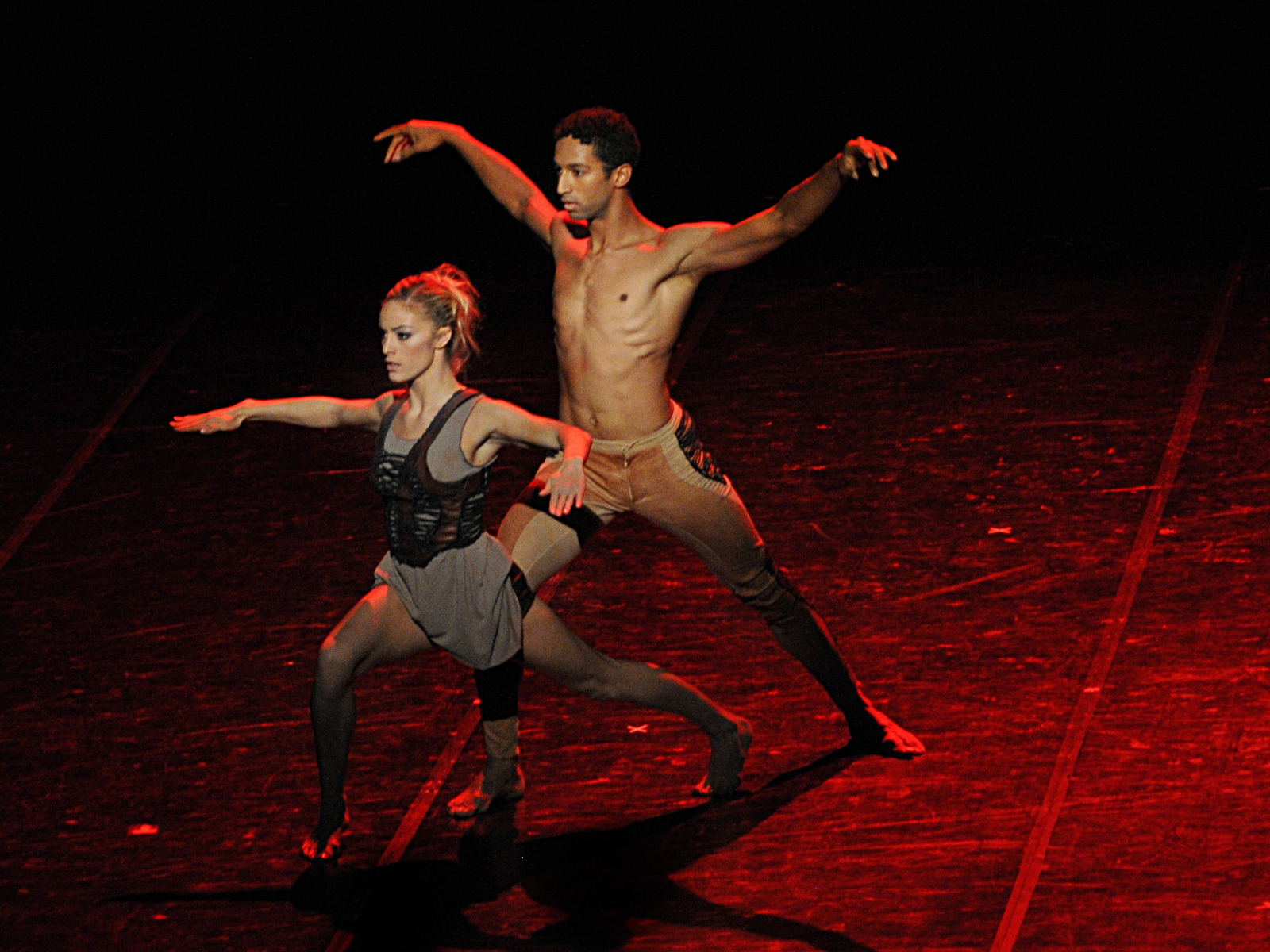
From reference to direction
Give a character a particular way of moving.
An animator might study the rhythm of an entrance. A filmmaker might isolate a pause before a turn. A game team might explore how a recurring gesture helps a character feel consistent.
The Performer Vault concept organizes authorized, source-linked moments into a repertoire for a creative brief. Controlled reuse remains in development; transfer fidelity must be evaluated against the selected source.
Explore behaviour transfer →Start with a movement worth keeping.
Bring a creative question about a walk, a gesture or a sequence. We can discuss what the source supports and what a bounded pilot would need.
Discuss a Project