Facial Performance
The expression is in the change.
A blink, a mouth movement, a brow that rises and settles. A still image captures a look. A performance lives in what happens before and after it.
Look closely
Small movements.
Specific choices.
Facial observation keeps visible changes connected to their source and time. It gives creative review something more precise than a broad expression label.
Eyes & brows
The timing of a blink, an eyelid opening or a brow movement — and the visible relationship between them.
Mouth & articulation
Changes in lip opening and shape, including the pauses and transitions around a spoken line. Visible mouth motion is not a substitute for the audio.
Face & head together
How an expression develops as the head turns, tilts or holds. A new angle can hide detail rather than reveal a new expression.
An expression has a phrase
Begin. Hold. Release.
A simple way to discuss timing — not a product display or a measured result.
The onset
Which visible change starts first? A gradual opening and a sudden opening can create different readings of the same moment.
The hold
What stays still, and what continues to move? A pause belongs to the performance; it is not empty space between expressions.
The release
How does the expression resolve into the next action? Review the transition, not just an isolated peak.
Visible detail, not hidden feelings
An expression is not an emotion label.
We describe visible movement, not a person’s internal state. A facial change alone does not establish emotion, intention or identity.
Lighting, image quality, camera angle and occlusion affect what can be seen. Fine detail that is absent from the source should not become a confident observation.
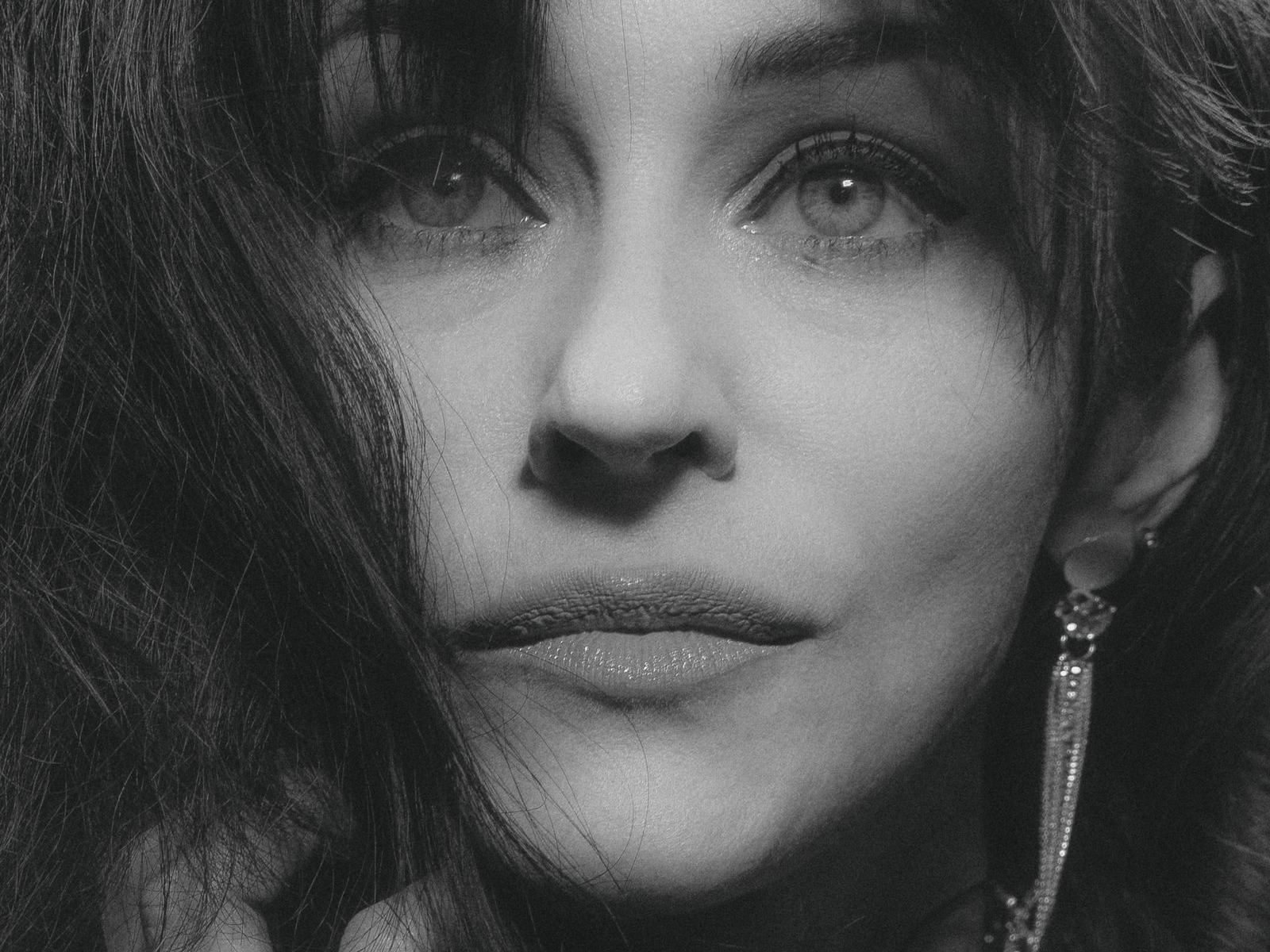
For the creative review
Direct the timing.
Keep the nuance.
A useful brief might ask for a longer pause before a reply, a quieter mouth movement, or an expression that resolves before the head turns. Those are distinct creative choices, not one generic effect.
For expression transfer, the creative brief specifies which expression and timing should carry from an authorized reference into a new character. Transfer controls remain in development. Review must distinguish source detail, deliberate changes and newly authored performance.
From expression to creative control →What makes this moment work?
Talk with us about the facial detail, timing or coordination you want to explore. Availability and limits are agreed for each pilot.
Discuss a Project